

Chronic Disease Management: How Digital Healthcare Improves Long-Term Care
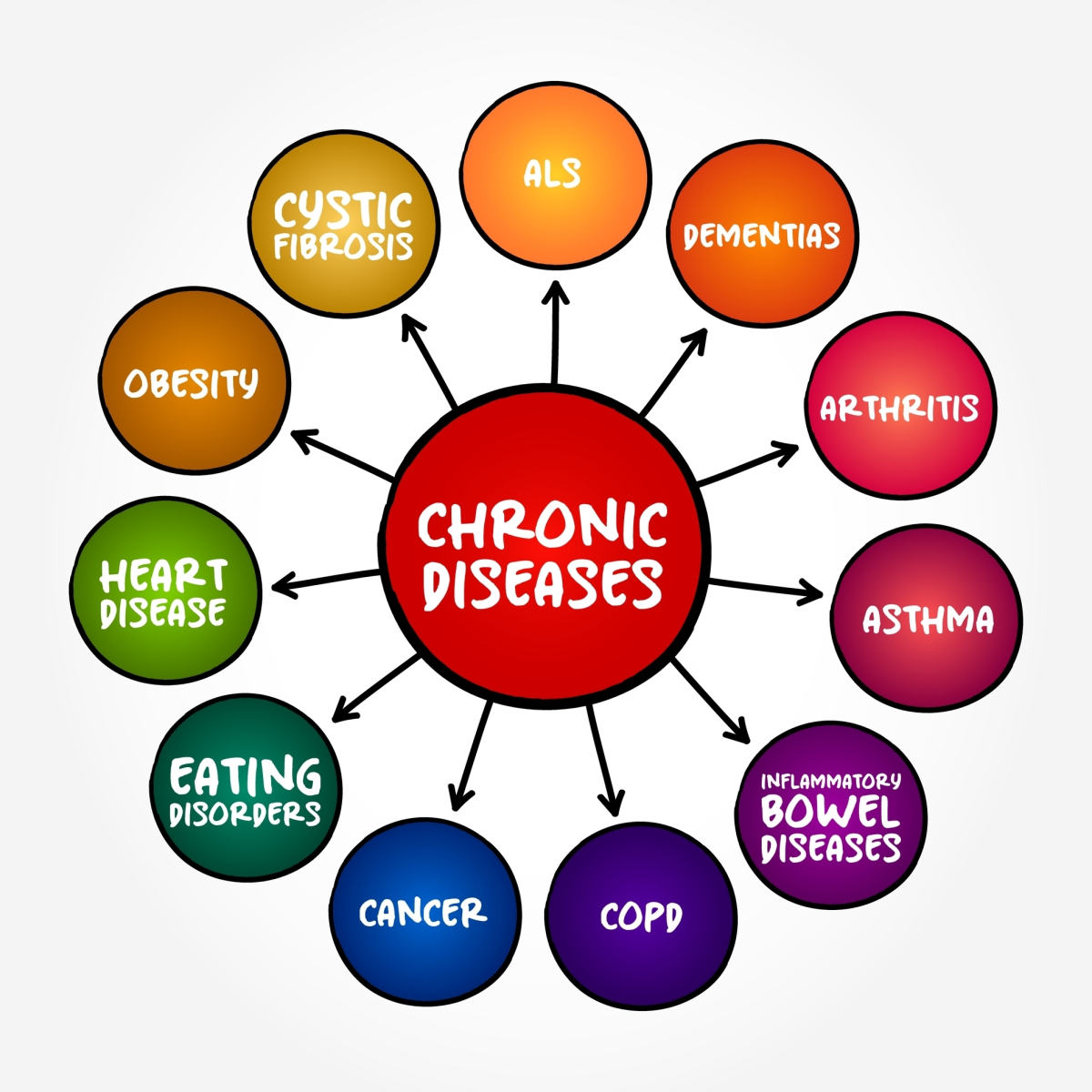
Chronic diseases such as diabetes, hypertension, cardiovascular conditions, and respiratory disorders require continuous monitoring, consistent medical guidance, and long-term lifestyle management. Unlike acute illnesses, these conditions do not resolve quickly and often demand ongoing attention to prevent complications and maintain quality of life. Digital healthcare platforms like DigitexMedical are transforming chronic disease management by providing patients with tools that enable real-time monitoring, regular communication with healthcare professionals, and structured care plans that adapt to individual health needs. By integrating technology into long-term care, patients are no longer limited to periodic hospital visits but instead gain continuous access to support that helps them stay on track with their treatment and health goals.
Managing chronic conditions effectively requires a combination of medical supervision, patient awareness, and consistent adherence to prescribed treatments. Digital platforms simplify this process by centralizing health data, providing reminders for medications and appointments, and offering easy access to consultation services. This reduces the risk of missed treatments, delayed interventions, and unmanaged symptoms, all of which can lead to serious health complications. By enabling patients to actively participate in their care through digital tools, platforms like DigitexMedical foster a proactive approach where individuals can monitor their progress, understand their condition better, and make informed decisions that support long-term well-being.
Continuous Monitoring and Real-Time Insights
One of the most significant advancements in digital healthcare is the ability to continuously monitor health metrics through connected devices and digital tools. Patients managing chronic conditions can track vital parameters such as blood sugar levels, blood pressure, heart rate, and physical activity, allowing for a comprehensive understanding of their health status over time. These real-time insights provide both patients and healthcare providers with valuable data that can be used to detect irregularities early and adjust treatment plans accordingly. Instead of relying solely on occasional checkups, continuous monitoring ensures that changes in health are identified promptly, reducing the likelihood of sudden complications or emergency situations.
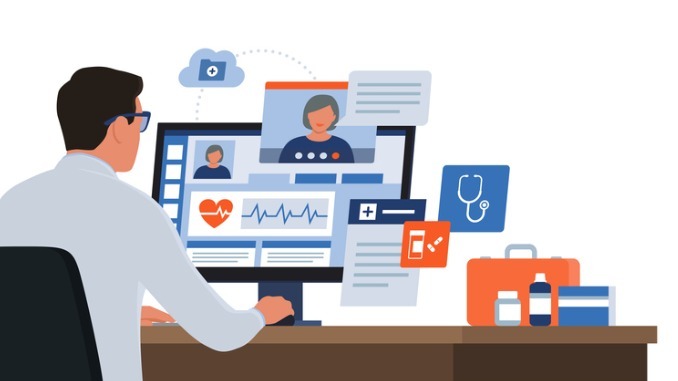
Healthcare professionals can access this data remotely, enabling them to provide timely guidance and interventions without requiring in-person visits. This level of connectivity enhances the efficiency of care delivery and ensures that patients receive personalized support based on their current health condition. By combining technology with medical expertise, digital healthcare platforms create a dynamic system where care is responsive, adaptive, and aligned with the patient’s evolving needs.

Personalized Treatment and Care Plans
Chronic disease management is not a one-size-fits-all approach, as each patient’s condition, lifestyle, and response to treatment can vary significantly. Digital healthcare platforms enable the creation of personalized care plans that are tailored to individual needs, ensuring that treatment strategies are both effective and sustainable. These plans may include medication schedules, dietary recommendations, exercise routines, and lifestyle modifications that are continuously adjusted based on patient progress and feedback. By providing structured guidance, digital platforms help patients stay consistent with their treatment while making it easier to integrate healthy habits into daily life.
Personalized care also enhances patient engagement by making individuals feel more involved in their health journey. When patients understand their treatment plans and see measurable progress through digital tracking, they are more likely to remain committed to their goals. This active participation not only improves adherence but also contributes to better long-term outcomes, reducing the severity of symptoms and preventing disease progression.
Remote Consultations and Ongoing Support
Regular communication with healthcare professionals is essential for managing chronic conditions, and digital platforms make this process more accessible and efficient. Through remote consultations, patients can discuss symptoms, review progress, and receive medical advice without the need for frequent hospital visits. This is particularly beneficial for individuals with mobility challenges, busy schedules, or limited access to healthcare facilities, as it ensures that professional support is always within reach.
Ongoing support through digital platforms also includes follow-up reminders, health alerts, and educational resources that help patients better understand their condition and manage it effectively. By maintaining consistent communication and providing timely interventions, digital healthcare systems reduce the risk of complications and ensure that patients receive continuous care that adapts to their needs over time.
Conclusion
Chronic disease management requires a long-term, consistent approach that combines medical expertise with patient engagement and lifestyle adjustments. Digital healthcare platforms like DigitexMedical are revolutionizing this process by offering continuous monitoring, personalized care plans, and accessible consultations that support patients at every stage of their health journey. By leveraging technology, patients can take greater control of their condition, reduce the risk of complications, and maintain a higher quality of life through proactive and informed care.
As digital healthcare continues to advance, its role in chronic disease management will become increasingly significant, providing more precise, efficient, and patient-centered solutions. The integration of real-time data, remote access, and personalized support ensures that long-term care is not only manageable but also more effective, empowering individuals to live healthier and more balanced lives despite chronic conditions.
Leave a Reply